Archives
- 2026-10
- 2026-09
- 2026-08
- 2026-07
- 2026-06
- 2026-05
- 2026-04
- 2026-03
- 2026-02
- 2026-01
- 2025-12
- 2025-11
- 2025-10
- 2024-12
- 2024-11
- 2024-10
- 2024-09
- 2024-08
- 2024-07
- 2024-06
- 2024-05
- 2024-04
- 2024-03
- 2024-02
- 2024-01
- 2023-12
- 2023-11
- 2023-10
- 2023-09
- 2023-08
- 2023-07
- 2023-06
- 2023-05
- 2023-04
- 2023-03
- 2023-02
- 2023-01
- 2022-12
- 2022-11
- 2022-10
- 2022-09
- 2022-08
- 2022-07
- 2022-06
- 2022-05
- 2022-04
- 2022-03
- 2022-02
- 2022-01
-
Gratifyingly compound also demonstrated improved physicochem
2024-09-25
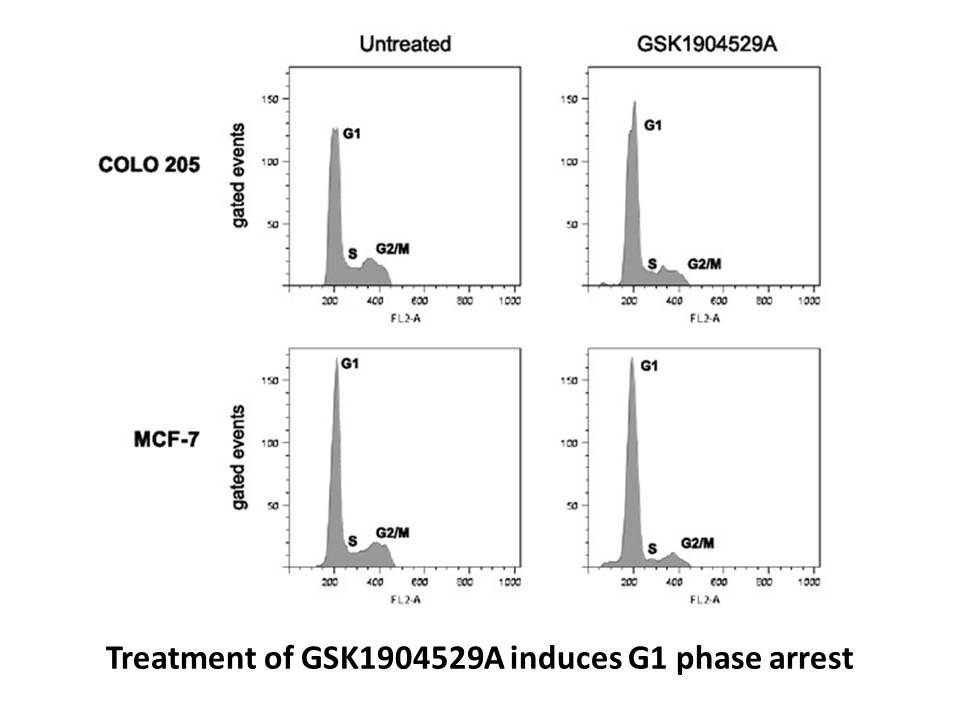
Gratifyingly, compound also demonstrated improved physicochemical properties with significant improvement in aqueous solubility. Compound was sufficiently potent to determine its pharmacokinetic (PK) and pharmacodynamics (PD); data is summarized in . shows ADME characteristics for compound and
-
PF-CBP1 hydrochloride br Introduction ACK or Activated Cdc A
2024-09-25
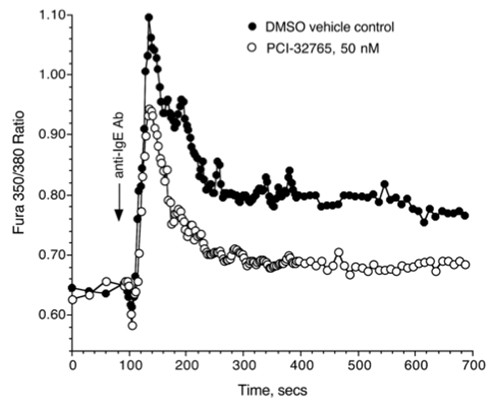
Introduction ACK1, or Activated Cdc42-Associated Kinase, located on chromosome 3q, is a ubiquitously expressed non-receptor tyrosine kinase cloned from a human PF-CBP1 hydrochloride cDNA library (Manser et al., 1993). It was first identified to bind to activated Cdc42, a small Ras GTPase via its
-
br In patients with spina bifida and spinal cord
2024-09-24
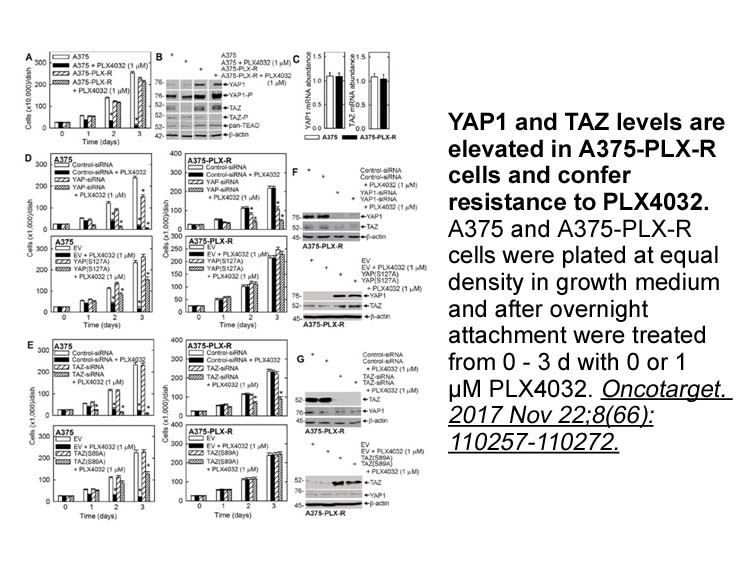
In patients with spina bifida and spinal cord injury, fecal incontinence is a serious issue that can impair activities of daily living and patient self-esteem. To address this Malone et al. first described the Antegrade Continence Enema (ACE) procedure in 1990 [1], which achieves continence by all
-
br Funding br Introduction The
2024-09-24
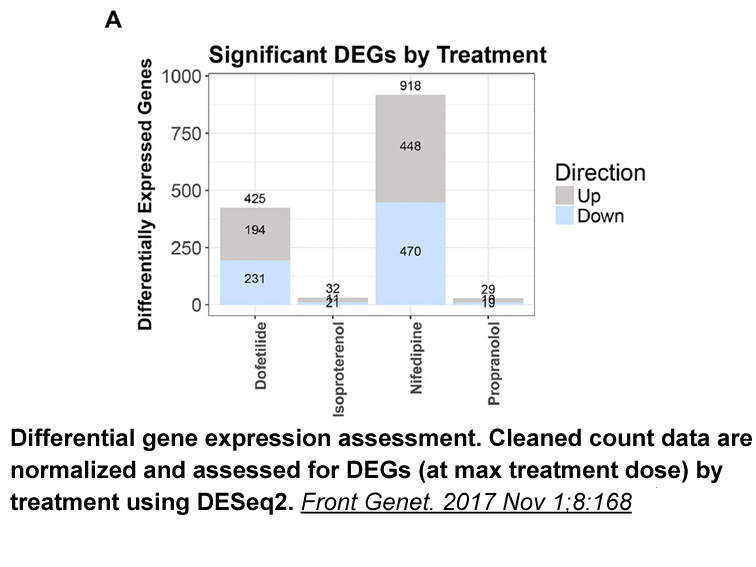
Funding Introduction The interest in the effects of endocrine disrupting chemicals (EDCs) in the aquatic environment continues to increase over the past decade, specifically those that act on steroidogenic pathways. EDCs that include synthetic androgenic and estrogenic compounds can severely a
-
Having taken a step back from affinity to gain better
2024-09-24
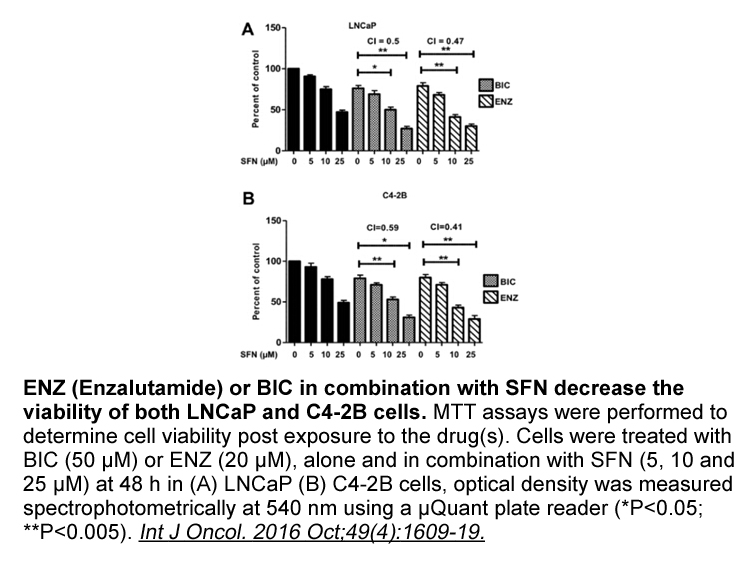
Having taken a step back from affinity to gain better exposure and solubility, we started work to replace the unstable oxazolinone, and address the selectivity over the hERG channel. Keeping in mind the binding mode of the series from crystal structures, triazole was identified as another mildly aci
-
We conducted the largest drug
2024-09-24
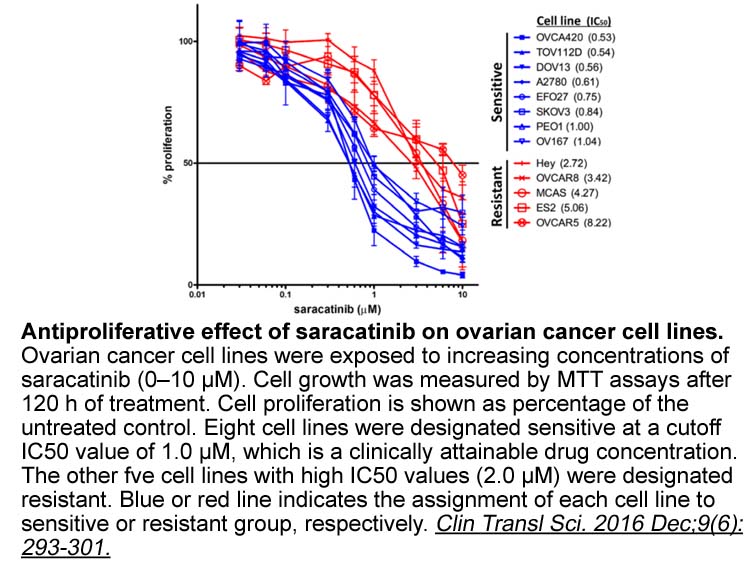
We conducted the largest drug screen to date in HPV-positive cancers and identified Aurora kinase inhibitors as effective and understudied drugs in HNSCC and CESC. These drugs cause apoptosis and cell cycle arrest in vitro and decrease tumor size in vivo. This is the first published study to demonst
-
GABAB receptor is associated with
2024-09-24
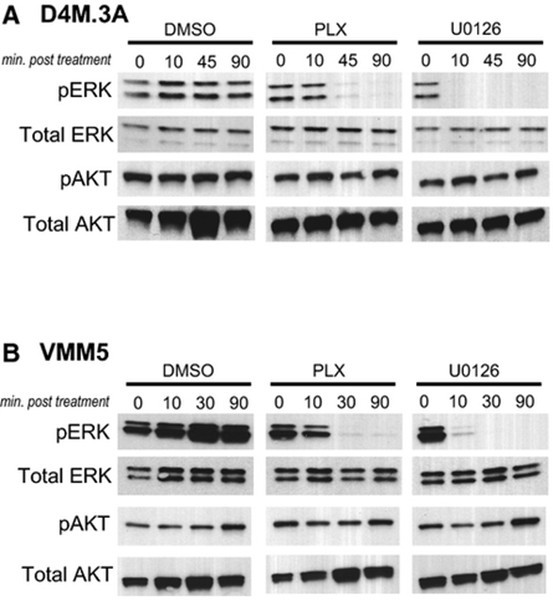
GABAB receptor is associated with EIPA and behavioral diseases, including epilepsy, spasticity, anxiety and neuropathic pain (Bettler et al., 2004, Bowery et al., 2002, Froestl, 2010). Baclofen, a clinical drug and selective GABAB receptor agonist, is used to treat muscle spasticity in patients with
-
TLX may promote survival and prevent apoptosis in NB cells
2024-09-24
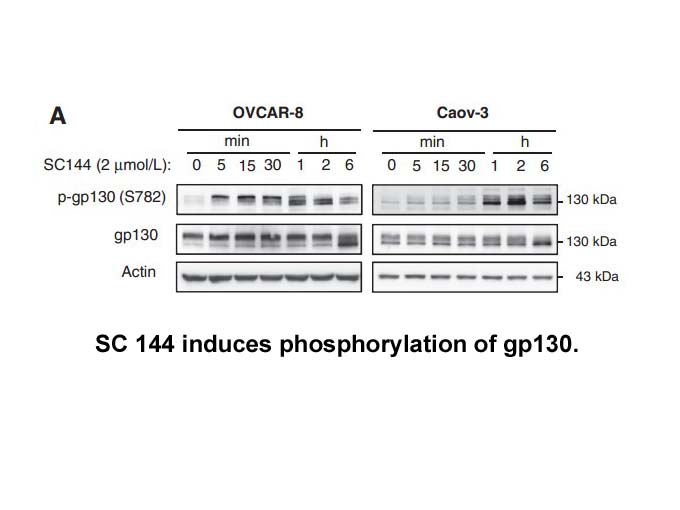
TLX may promote survival and prevent apoptosis in NB dhfr inhibitor [12]. Here, we ask whether the survival-promoting effects of TLX are mediated by Apoptosis Signal-regulating Kinase-1 (ASK1, MAP3K5). ASK1 is a member of the Mitogen-Activated Protein (MAP) kinase family and it preferentially activ
-
We demonstrated clearly that the overexpression of sFlt sign
2024-09-24

We demonstrated clearly that the overexpression of sFlt-1 significantly increased arginase aromatase inhibitor and enhanced arginase activity in HUVECs (Fig. 3). NO formation is related inversely to serum levels of sFlt-1 in preeclampsia [11]. The disorder of NO formation, which was involved in hyp
-
CBiPES hydrochloride australia In our approach using BRET an
2024-09-24
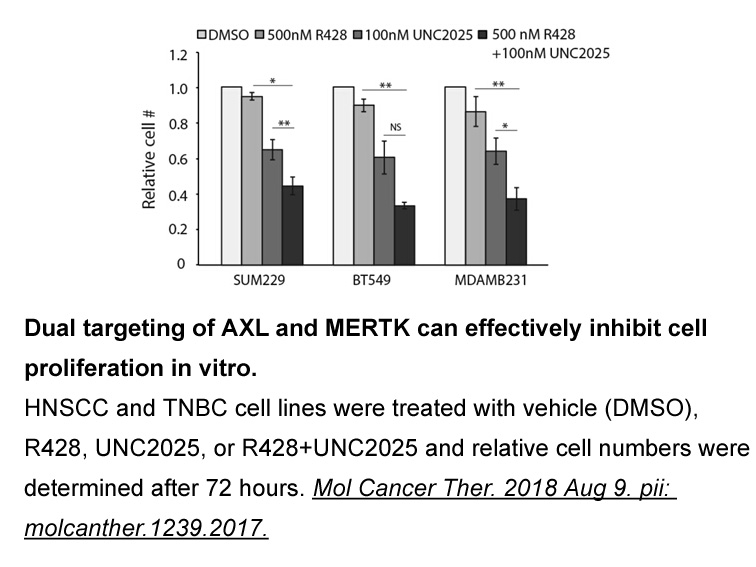
In our approach using BRET and FRET, there is a substantial increase in BRET and FRET signals between Giα2 or Giα3-YFP and CFP- Gγ2/Rluc-Gγ2 upon apelin-13 activation, indicating that Gαi2, Gαi3 and N-terminus of Gβ1γ2 subunits become closer without subunit dissociation. In contrast, both the FRET a
-
Maynard et al demonstrated that serum
2024-09-24
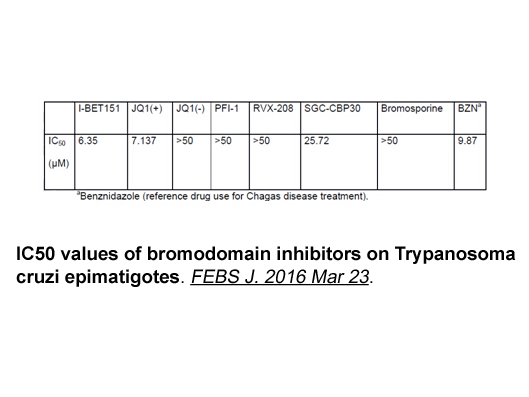
Maynard et al. [54] demonstrated that serum levels of sFlt-1 were five times higher in pregnant women with PE than in normotensive women; as a consequence, VEGF and PlGF levels were found to be proportionally reduced in these women [54]. The literature confirms that there is a sharp increase in sFlt
-
MSG model is well characterized
2024-09-24
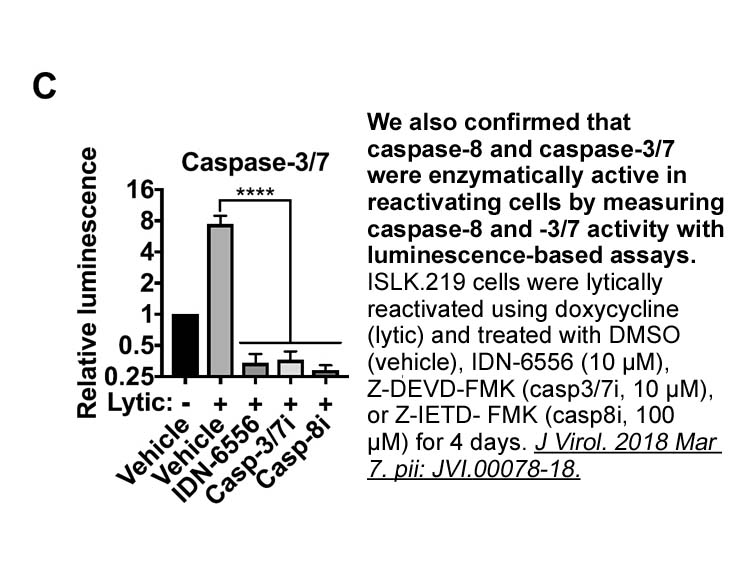
MSG model is well characterized and widely used because it is not influenced by dietary components and because it mimics a lesion in the arcuate nucleus and lateral hypothalamus that can occur in chronic obese patients (Moraes et al., 2009, Purkayasta and Cai, 2013). High fat fed diet is amongst the
-
br Acknowledgements This work was supported by a grant
2024-09-24
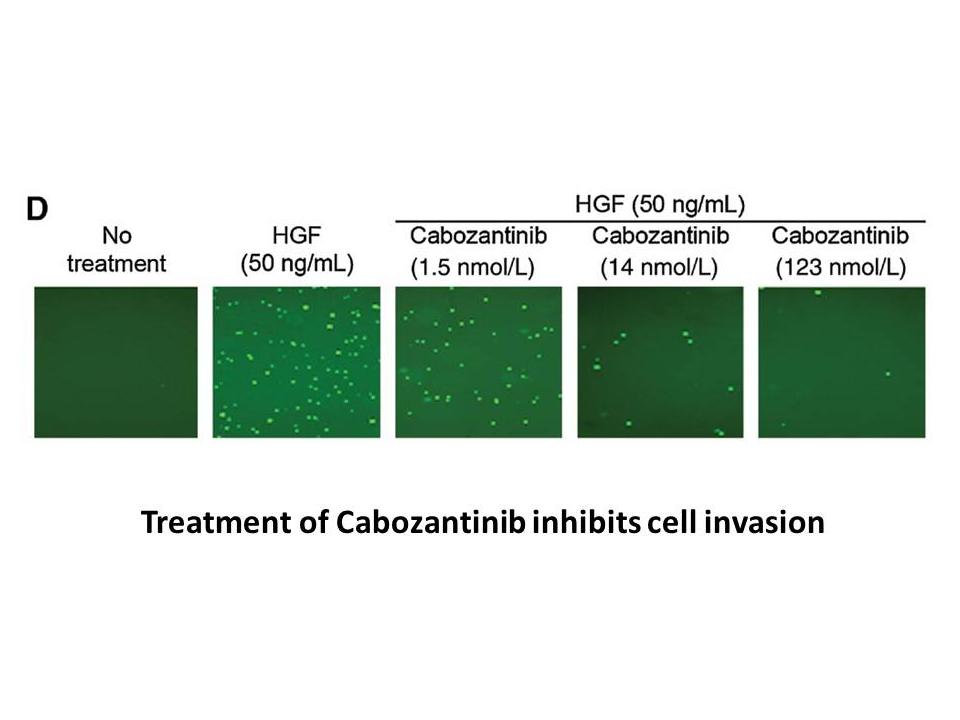
Acknowledgements This work was supported by a grant from the National Science Foundation (IOS- 1353366), the Hatch Program of the National Institute of Food and Agriculture (VA-135908) and the Virginia Agricultural Experiment Station, to G.P. Introduction With steadily rising number of affect
-
The decreased AR mediated response has been attributed to
2024-09-23
The decreased βAR-mediated response has been attributed to different mechanisms, including an attenuation of PKA activation, an impaired generation of cyclic AMP, a reduced receptor density, and a less efficient coupling to adenylyl-cyclase [10]. However, currently there is no single molecular or ce
-
br Expression of adiponectin mRNA in chickens We
2024-09-23
Expression of adiponectin mRNA in chickens We first sought to determine the nucleotide sequence of the chicken adiponectin cDNA. The open reading frame of the chicken adiponectin cDNA consists of 735 nucleotides that was 65–68% homologous to various mammalian adiponectin cDNAs (Maddineni et al.,
7946 records 71/530 page Previous Next First page 上5页 7172737475 下5页 Last page