Archives
- 2026-10
- 2026-09
- 2026-08
- 2026-07
- 2026-06
- 2026-05
- 2026-04
- 2026-03
- 2026-02
- 2026-01
- 2025-12
- 2025-11
- 2025-10
- 2024-12
- 2024-11
- 2024-10
- 2024-09
- 2024-08
- 2024-07
- 2024-06
- 2024-05
- 2024-04
- 2024-03
- 2024-02
- 2024-01
- 2023-12
- 2023-11
- 2023-10
- 2023-09
- 2023-08
- 2023-07
- 2023-06
- 2023-05
- 2023-04
- 2023-03
- 2023-02
- 2023-01
- 2022-12
- 2022-11
- 2022-10
- 2022-09
- 2022-08
- 2022-07
- 2022-06
- 2022-05
- 2022-04
- 2022-03
- 2022-02
- 2022-01
-
In a series of experiments the
2022-03-21
In a series of experiments, the clotrimazole concentration was varied and the NSVDC channel conductances were calculated from Eq. (1) to obtain the dose-response relation (Fig. 3). The data were fitted to the Michaelis–Menten-type activation curve (Eq. (3)) and gave an EC50 value of 14 μM and a dose
-
br Introduction Conversion of visual input
2022-03-21
Introduction Conversion of visual input into electrical information and routing this information to the brain is the main function of the eye (Levin et al., 2011). These processes require a microenvironment that offers adequate supply with oxygen and nutrients and also removal of all unwanted and
-
In conclusion we have shown that the brain penetrating abili
2022-03-18
In conclusion, we have shown that the brain penetrating ability of heteroaryl piperazine and piperadine ureas can be modulated through small structural changes to the heteroarenes, the piperazine or piperidine core, and the biaryl ether tail. Compounds exhibiting / ratios ranging as high as 4.2:1 to
-
br Results br Discussion A key step in the regulation
2022-03-18
Results Discussion A key step in the regulation of gene 182 8 is the methylation on H3K4, which is added by the multi-component MLL/COMPASS-like histone methyltransferases. Many studies have shown the requirement of shared core subunits for optimal methylation activity of catalytic SET protei
-
Bile acids synthesized in the liver are secreted into
2022-03-18
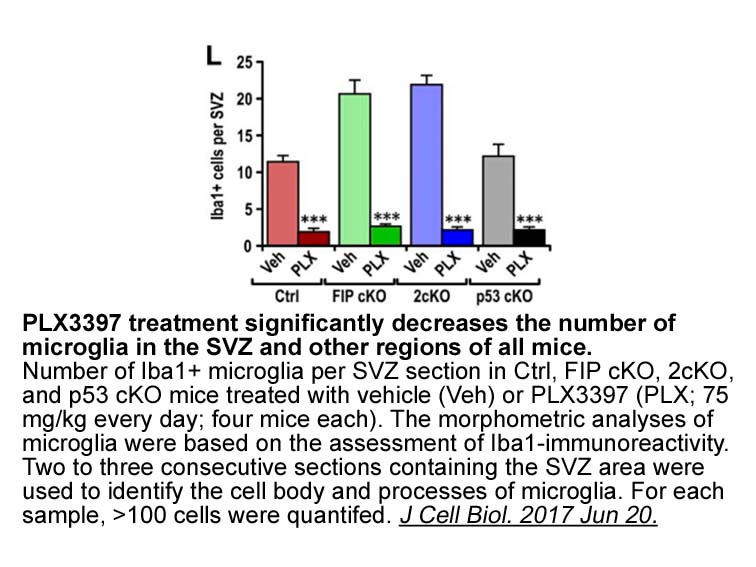
Bile acids synthesized in the liver are secreted into the intestinal tract to facilitate the digestion and FR 236924 receptor of nutrients. Most bile acids are reabsorbed by the ileum and are transported back to the liver via the portal blood circulation. Recently, bile acids have also been consider
-
Long non coding RNAs lncRNAs are a class of RNA
2022-03-18
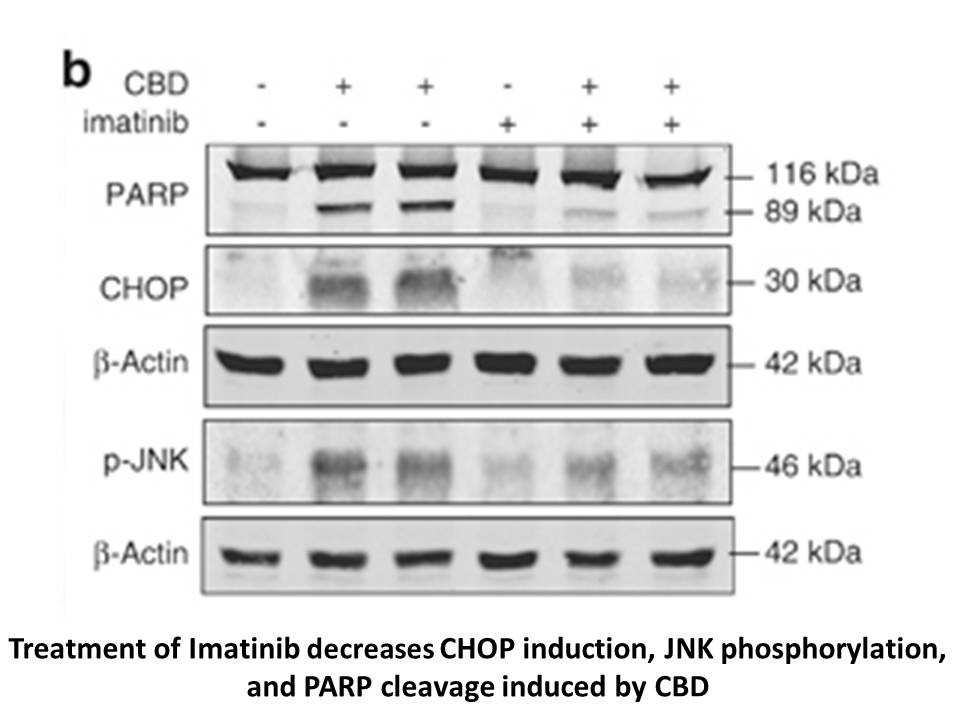
Long non-coding RNAs (lncRNAs) are a class of RNA transcripts which are over 200 nucleotides in length and not translated into proteins (Ponting et al., 2009). Recent studies showed that lncRNAs have been identified as crucial regulators of gene expression, chromatin remodeling, and cell cycle (Wahl
-
br Conclusion and future perspectives
2022-03-18
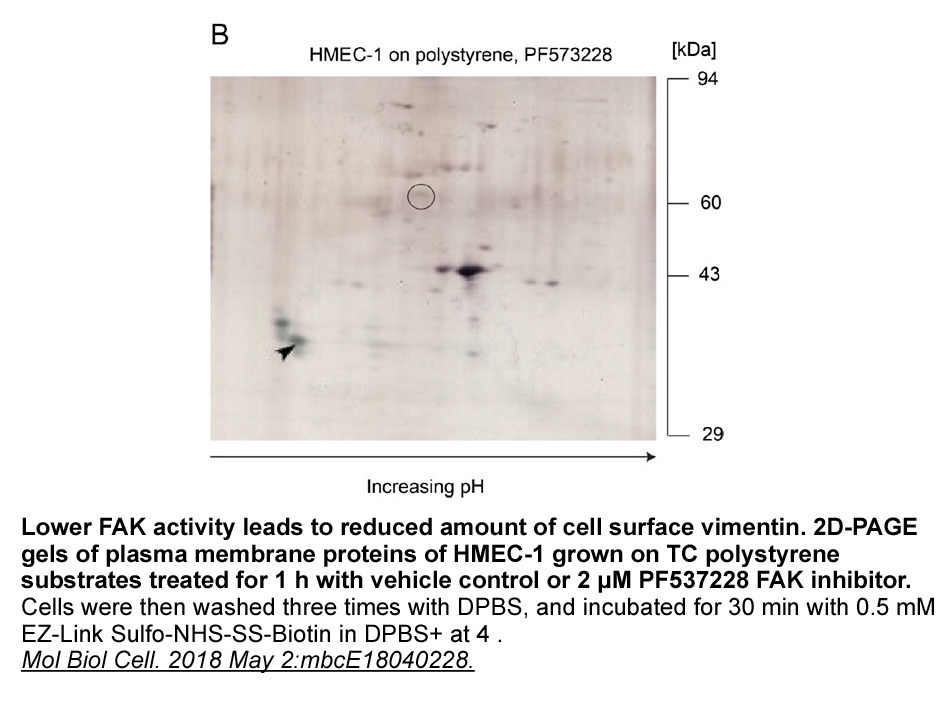
Conclusion and future perspectives In the setting of myocardial I/R stress, HDAC activity is induced and contributes to myocardial injury. HDAC inhibition appears to protect the E-64d australia from I/R injury by activating a variety of pro-survival molecular pathways. From a clinical relevance
-
In conclusion our results show
2022-03-18
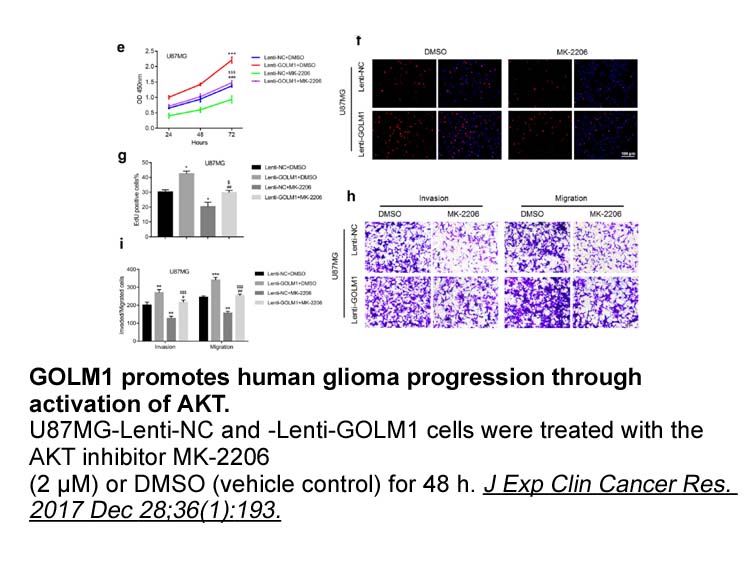
In conclusion, our results show that P7C3 enhances endogenous neurogenesis by upregulating the generation of endogenous neuroblasts and neural stem/progenitor cells by increasing the expression of neuroprotective proteins (Bcl-2, ki67, DCX, adam11, adamts20, and β-tub3) by activation of the cAMP/PKA
-
Much of the understanding of this system
2022-03-18
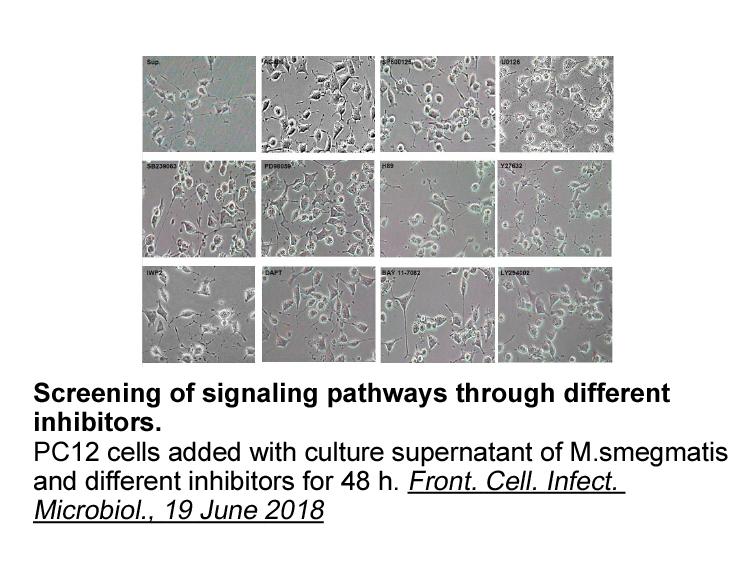
Much of the understanding of this system has come from several studies focussed on CB1. A significant amount of research has demonstrated that activation of the CB1 receptor by cannabinoid ligands stimulates food intake [10], reduces gastrointestinal motility [11], and increases lipogenesis [12] and
-
The synthesis of is shown in
2022-03-18
The synthesis of is shown in . The ---Boc--diaminopropanoic acid--butyl ester () fragment was synthesized in four steps from Boc--asparagine (). The key step in this synthesis was a Hofmann rearrangement of the terminal carboxamide, which was performed according to the elegant protocol of Zhang tha
-
Then the seven complexes GLOI indomethacin GLOI zomepirac
2022-03-18
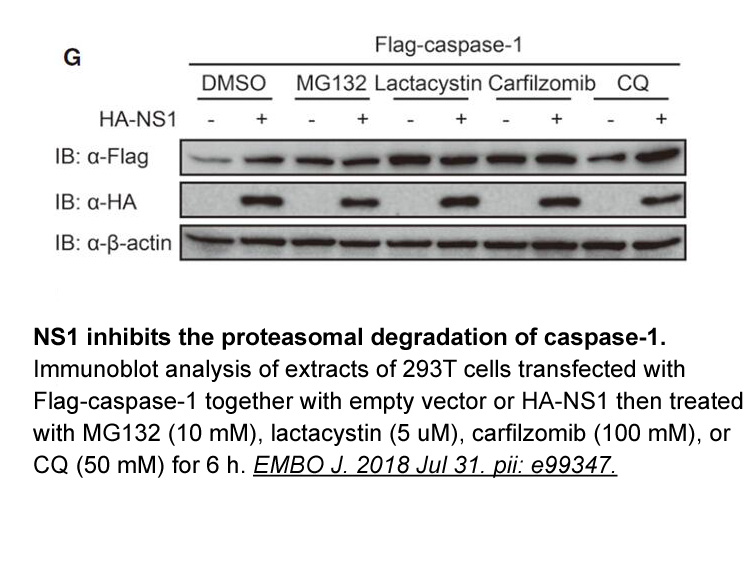
Then the seven complexes (GLOI-indomethacin, GLOI-zomepirac, GLOI-fenoprofen, and GLOI-ketoprofen, GLOI-tolmetin GLOI-curcumin, and GLOI-bisdemethoxycurcumin) were energy-minimized to remove unfavorable steric strain relative to the force field adopted. Further MD simulations were carried out based
-
GPR can signal through not
2022-03-18
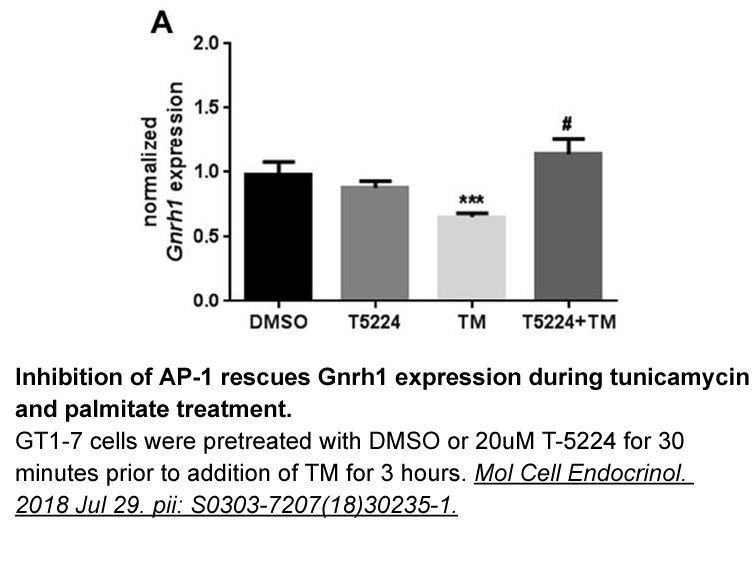
GPR40 can signal through not only IP3 but also cAMP depending upon the type of agonist ligand used. A full agonist engages both signaling mechanisms in contrast to the endogenous long-chain fatty dacomitinib (LCFA) ligands and partial agonists. Thus, stimulation of GPR40 by endogenous LCFAs or by t
-
Genetic disruption or pharmacologic inhibition of the hepati
2022-03-17

Genetic disruption or pharmacologic inhibition of the hepatic glucagon pathway has invariably been shown to increase pancreatic α cell mass. This has been observed in glucagon receptor (GCGR) knockout (Gcgr−/−) mice (Gelling et al., 2003), glucagon knockout mice (Hayashi et al., 2009), prohormone co
-
In the gastrointestinal GI tract CART expression
2022-03-17
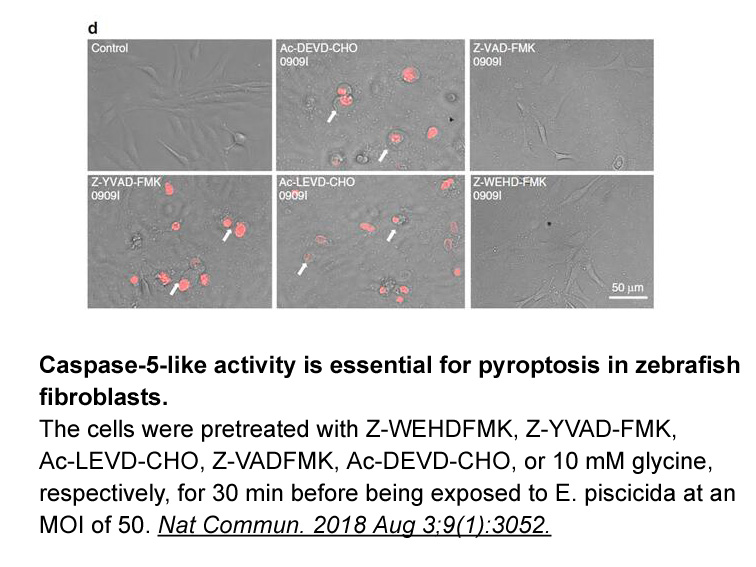
In the gastrointestinal (GI) tract CART expression has been described in the enteric nervous system in rats (Ekblad et al., 2003), pigs (Wierup et al., 2007), sheep (Arciszewski et al., 2009), guinea pigs (Ellis and Mawe, 2003) and humans (Kasacka et al., 2012). Less is known about CART expression i
-
At present many methods have
2022-03-17
At present, many methods have been applied for multiple detection. For example, Celecoxib [[9], [10], [11]] is frequently used to detect multiple targets because of its exquisite sensitivity and specificity, but it is difficult to design experiments to test short-length oligonucleotides. Electroche
7945 records 485/530 page Previous Next First page 上5页 481482483484485 下5页 Last page