Archives
- 2026-10
- 2026-09
- 2026-08
- 2026-07
- 2026-06
- 2026-05
- 2026-04
- 2026-03
- 2026-02
- 2026-01
- 2025-12
- 2025-11
- 2025-10
- 2024-12
- 2024-11
- 2024-10
- 2024-09
- 2024-08
- 2024-07
- 2024-06
- 2024-05
- 2024-04
- 2024-03
- 2024-02
- 2024-01
- 2023-12
- 2023-11
- 2023-10
- 2023-09
- 2023-08
- 2023-07
- 2023-06
- 2023-05
- 2023-04
- 2023-03
- 2023-02
- 2023-01
- 2022-12
- 2022-11
- 2022-10
- 2022-09
- 2022-08
- 2022-07
- 2022-06
- 2022-05
- 2022-04
- 2022-03
- 2022-02
- 2022-01
-
br Although D reconstruction of an invertebrate
2022-04-18
Although 3D reconstruction of an invertebrate gap junction channel from native tissue of crayfish was reported in 1991, the negative-staining EM imaging was limited to low-resolution structural analysis [39]. The oligomeric number of innexin channels was believed to be the same as that in connexi
-
FFA expression was also noted to be
2022-04-18
FFA4 expression was also noted to be upregulated in eight human CRC cell lines. Compared to two normal colon cell lines with relative one-fold expression of FFA4, CRC cell lines HCT116 (3.5-fold higher), Colo205 (3-fold), Caco-2 (2.2-fold), HT-29 (2.3-fold), RKO (2.8-fold), DLD-1 (2.9-fold), SW480 (
-
Both anxiety like behavior and sucrose preference intake wer
2022-04-18
Both anxiety-like behavior and sucrose preference/intake were reduced in GPR40/FFAR1 KO male mice, while social behavior was normal in KO mice. These findings indicate that brain GPR40/FFAR1 is involved in the modulation of anxiety- and depression-like behavior in rodents. Previous studies have demo
-
Moving forward to series the energy
2022-04-18
Moving forward to series , the energy minimized conformation of ascorbic acid sale within the binding pocket is quite interesting. The indole-based tail guides the TZD head for a highly-favored interaction with all residues of the H-bonding triad (). In addition, an extra bonding with H449 in the AF
-
Over decades a deeper understanding of terpene synthases has
2022-04-18
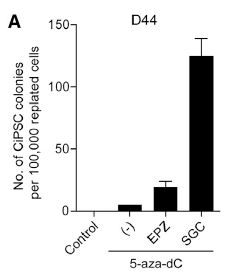
Over decades, a deeper understanding of terpene synthases has also permitted enzyme engineering for unnatural substrate acceptance. Novel terpenoids have been successfully synthesized from substrate analogues as by-products from mechanistic investigation (Faraldos et al., 2012; Miller, Yu, & Alleman
-
Cy5 NHS ester(Et) As concerns TRPV assays benzylic
2022-04-18
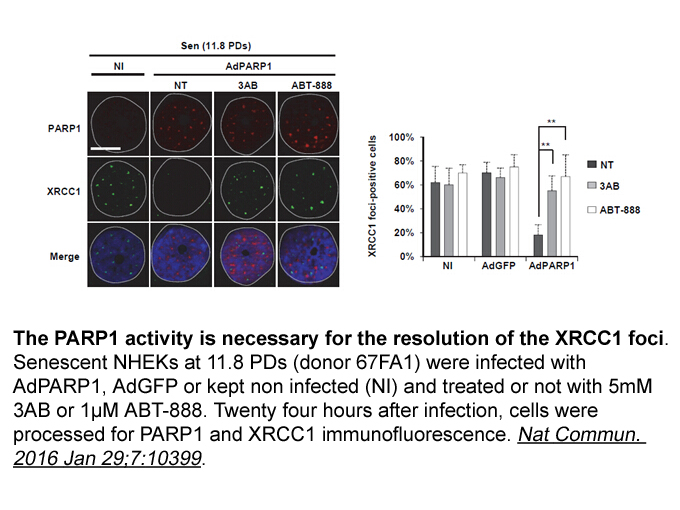
As concerns TRPV1 assays, benzylic amides and benzylic reverse amides exhibited an overall superiority over their aryl counterparts and , and ureas and . A reversed trend was however observed with the 4-chlorostyryl and 4--butylphenyl moieties (compare compounds and ; , , and ; and ). The EC and IC
-
The stable association of Hat complexes with
2022-04-16

The stable association of Hat1 complexes with histones H3 and H4 raises a number of interesting issues. The first is the question of how Hat1 remains stably associated with histones H3 and H4. While the simple answer is that Hat1 remains bound to histones because of its association with histone chap
-
To solve the atomic structures of several individual domains
2022-04-16
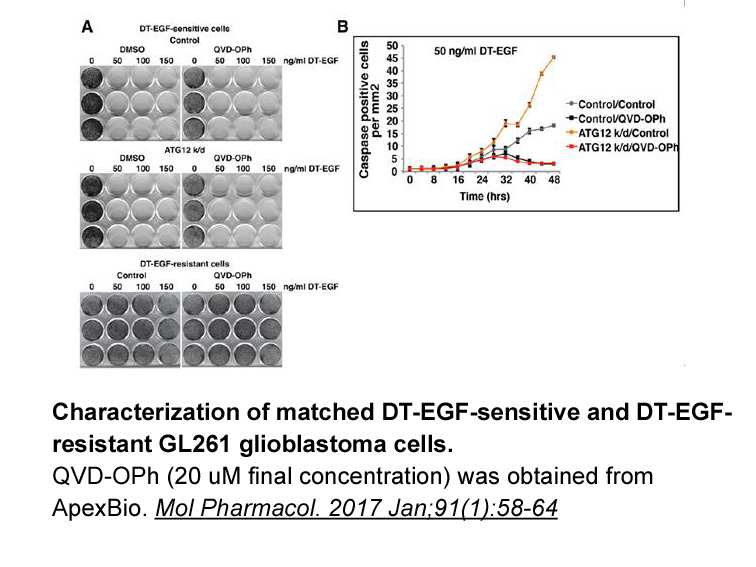
To solve the atomic structures of several individual domains and a complete molecular architecture of sGC, tangible experimental research work has been done which resulted in a cryo-electron density map of R. norvegicus. However, the full structure of the human sGC remains to be determined. In the p
-
The PAS and CC domains of sGC
2022-04-16

The PAS and CC domains of sGC have been studied less by comparison, though their function in sGC signal transduction is likely important. PAS domains are versatile as they can play varied roles in different proteins, such as quaternary structure organization, cofactor binding, and signal transductio
-
However a direct effect of ROS
2022-04-16
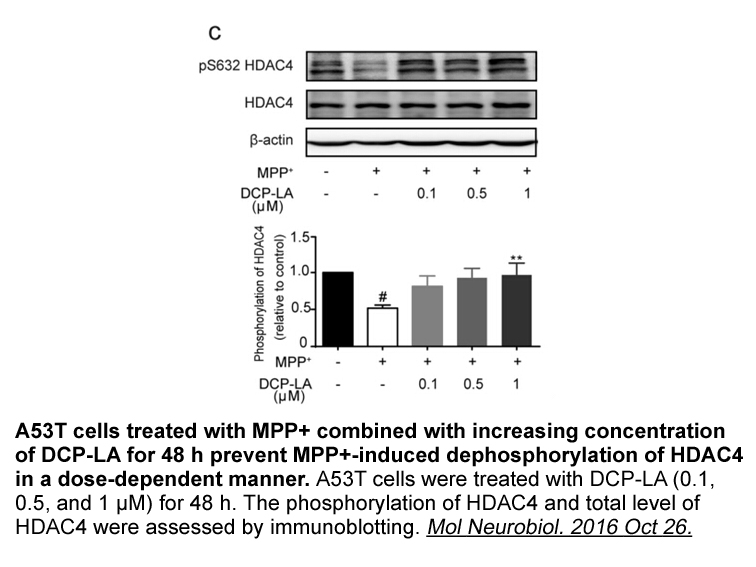
However, a direct effect of ROS on GSNOR has also been described. Inhibition of GSNOR by ROS has been demonstrated for yeast [44], Arabidopsis[36], and Baccaurea ramiflora (Burmese grape) [45] suggesting that this could be a general mechanism of crosstalk between ROS and ·No signaling. Interestingly
-
Two distinct mechanisms have been described for niacin s
2022-04-16
Two distinct mechanisms have been described for niacin’s macrophage-based actions [21,22]. First, niacin blocks recruitment of macrophages to atherosclerotic lesions. Second, niacin upregulates macrophage ABCA1 and ABCG1, transporters involved in reverse cholesterol transport. Upregulation of choles
-
br Conflict of interest statement br Acknowledgments The aut
2022-04-16
Conflict of interest statement Acknowledgments The authors would like to thank Dr. Linda Console-Bram for her editing of this review, Valentina Lucchesi for help with the figures, and acknowledge funding from NIH/NIDA (DA023204). Introduction G protein-coupled receptor 55 (GPR55) has emerg
-
br METHODS br RESULTS br Discussion Numerous studies have
2022-04-16
METHODS RESULTS Discussion Numerous studies have proposed various hypotheses and models to explain how neuroinflammation could contribute to the chronic fatigue, postexertional fatigue, and cognitive deficits observed in patients with ME/CFS.12, 13, 14, 15 Although neuroimaging studies have
-
GLP is an intestinal peptide hormone
2022-04-16
GLP-1 is an intestinal peptide hormone that is released by the gut following ingestion of food, particularly etomoxir and fats. Following its release, GLP-1 stimulates pancreatic β-cells to secrete insulin (Hirasawa et al., 2005, Covington et al., 2006). Originally, GLP-1 acted in a similar manner
-
br Clinical development of anti NASH drug
2022-04-16
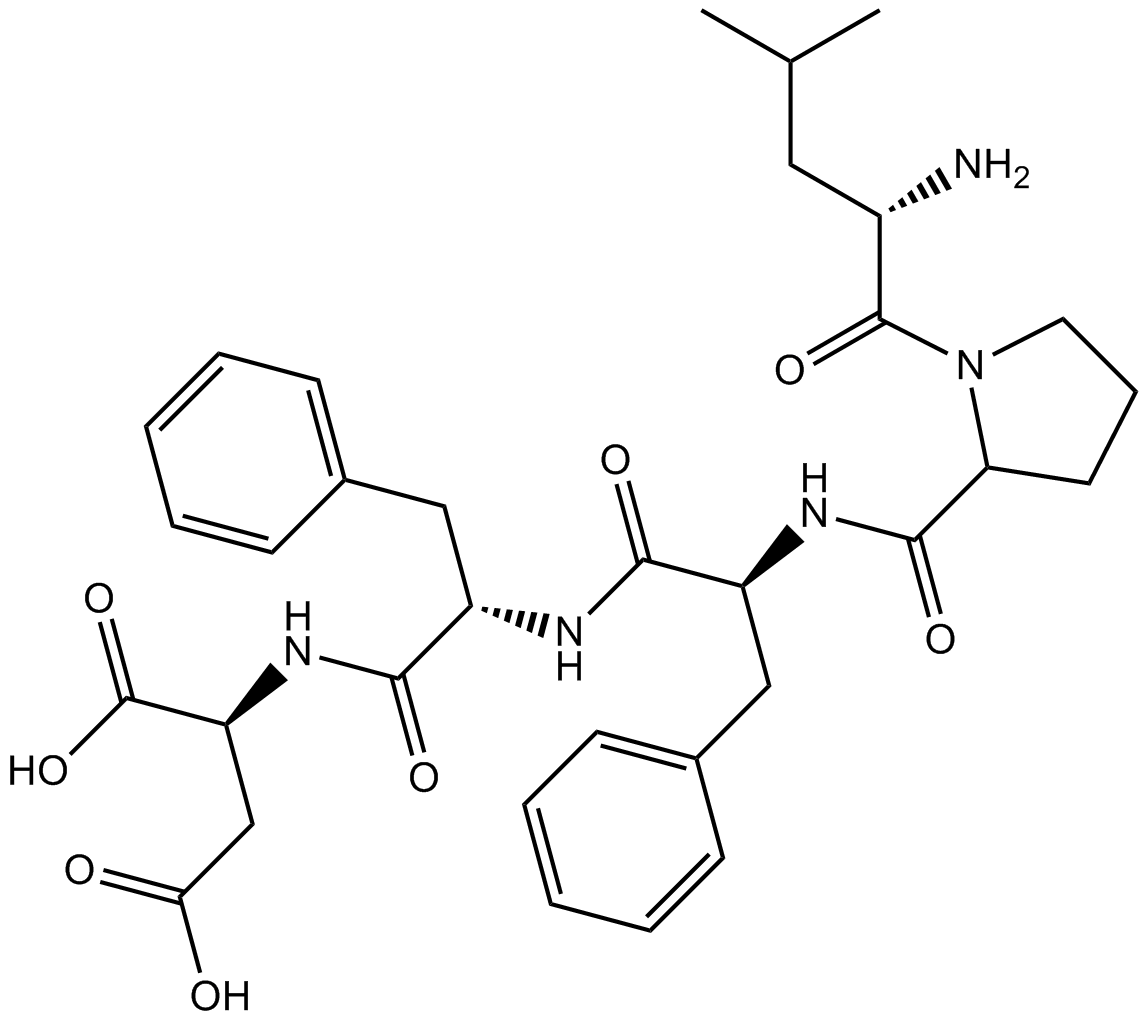
Clinical development of anti-NASH drug therapies The current understanding of NASH pathogenesis has led to broad efforts to target several features of the disease, alone or in combination, even in the absence of liver-guided therapies. Therefore, drug development in NASH is a rapidly changing fie
7946 records 468/530 page Previous Next First page 上5页 466467468469470 下5页 Last page