Archives
- 2026-10
- 2026-09
- 2026-08
- 2026-07
- 2026-06
- 2026-05
- 2026-04
- 2026-03
- 2026-02
- 2026-01
- 2025-12
- 2025-11
- 2025-10
- 2024-12
- 2024-11
- 2024-10
- 2024-09
- 2024-08
- 2024-07
- 2024-06
- 2024-05
- 2024-04
- 2024-03
- 2024-02
- 2024-01
- 2023-12
- 2023-11
- 2023-10
- 2023-09
- 2023-08
- 2023-07
- 2023-06
- 2023-05
- 2023-04
- 2023-03
- 2023-02
- 2023-01
- 2022-12
- 2022-11
- 2022-10
- 2022-09
- 2022-08
- 2022-07
- 2022-06
- 2022-05
- 2022-04
- 2022-03
- 2022-02
- 2022-01
-
Here we provide evidence that NO contributes
2024-07-26
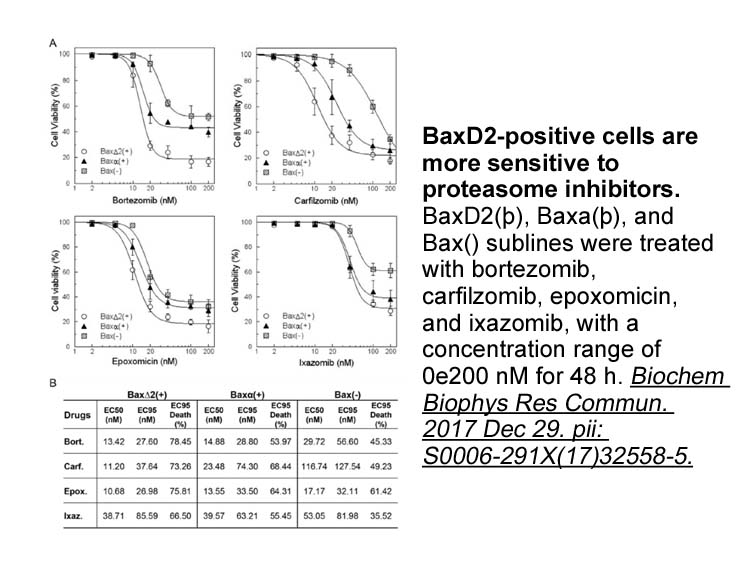
Here, we provide evidence that NO contributes to changes in synaptic strength, but also offer an explanation as to why previous attempts to link NO to LTP have often failed. Our results describe a model by which cycling AMPARs, held in intracellular pools, are rapidly delivered to the membrane surfa
-
The current study was designed
2024-07-26
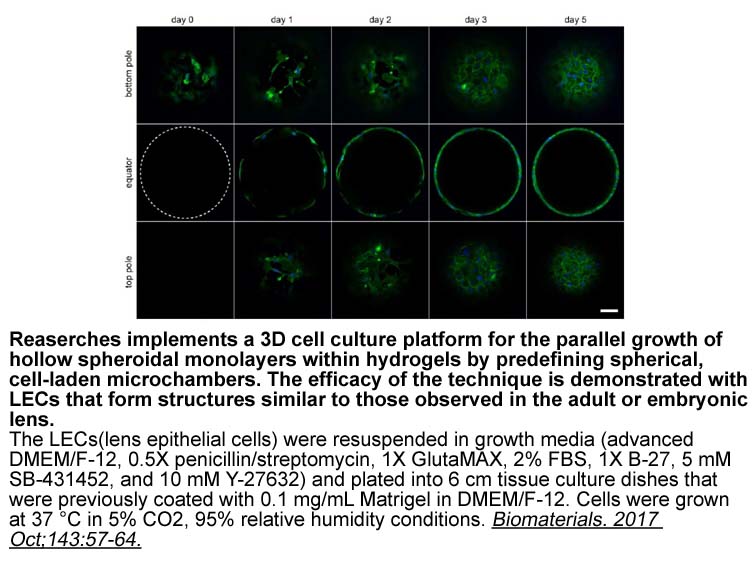
The current study was designed to investigate the effects of the 12/15-LOX inhibitor, LOXBlock-1 (LB1) in mice using a FeCl3-induced distal MCAO model, and to test its utility in conjunction with subsequent thrombolysis with tPA, which is to date the only FDA-approved drug for acute stroke treatment
-
It has been reported that NLRP product
2024-07-26
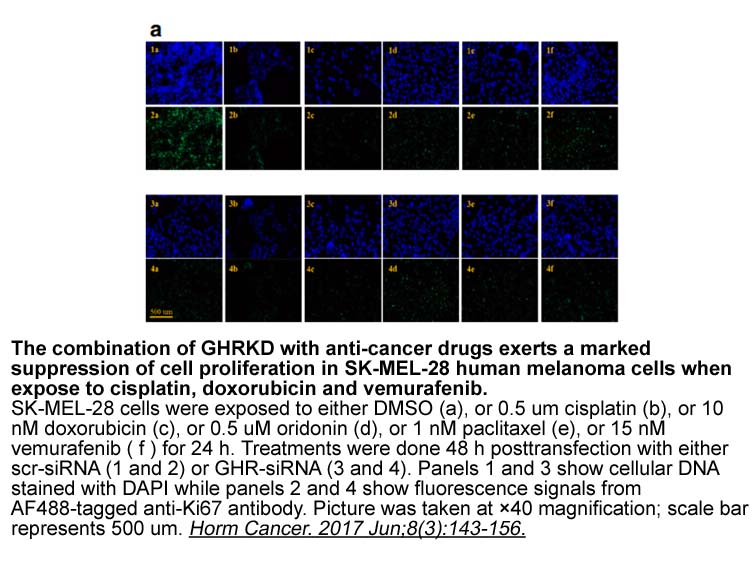
It has been reported that NLRP3 product, caspase-1, is increased in the brains of AD patients and experimental AD animals. NLRP3- and caspase-1-deficient animals are resistant to experimental development of AD, and have decreased IL-1β production and significantly increased Aβ clearance (Heneka et a
-
br AhR Modulators It is
2024-07-26
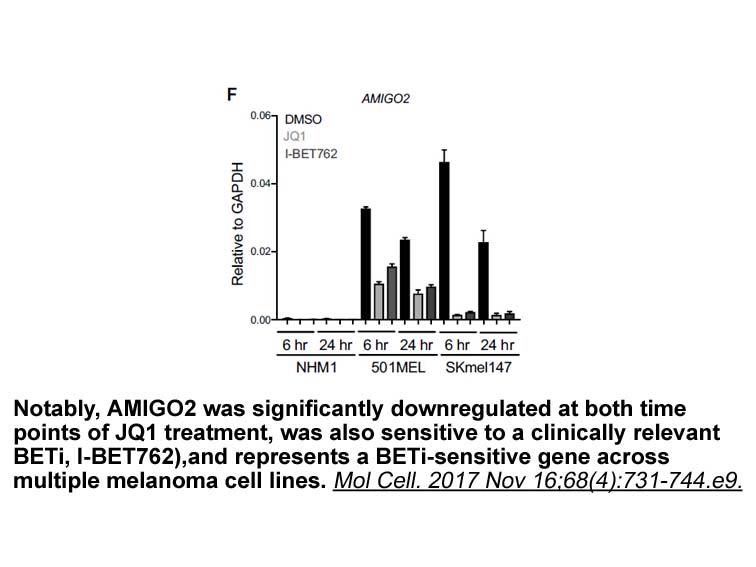
AhR Modulators It is now well recognized that ligand-activated AhR induces an immune tolerance response by acting directly on the antigen-presenting DCs and indirectly by increasing the population of immunosuppressive Tregs 24, 95, 96. In addition to inhibiting the formation or depleting the AhR
-
Wortmannin synthesis The numbers and types of
2024-07-26
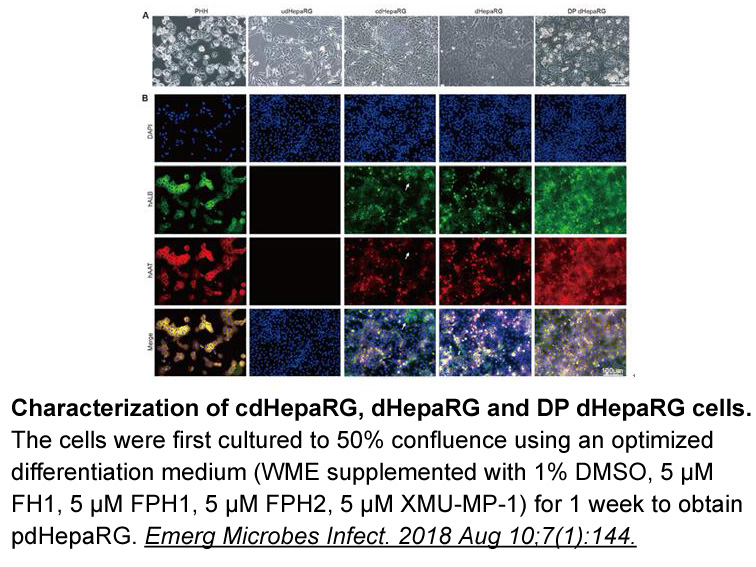
The numbers and types of molecules needing to be transported across membranes are very large, and there is a corresponding very large and diverse number of transporters expressed throughout the body. Hundreds of proteins that have been assigned as having transporter function are broadly divided into
-
br Author contributions br Acknowledgements We thank Dr Bob
2024-07-26
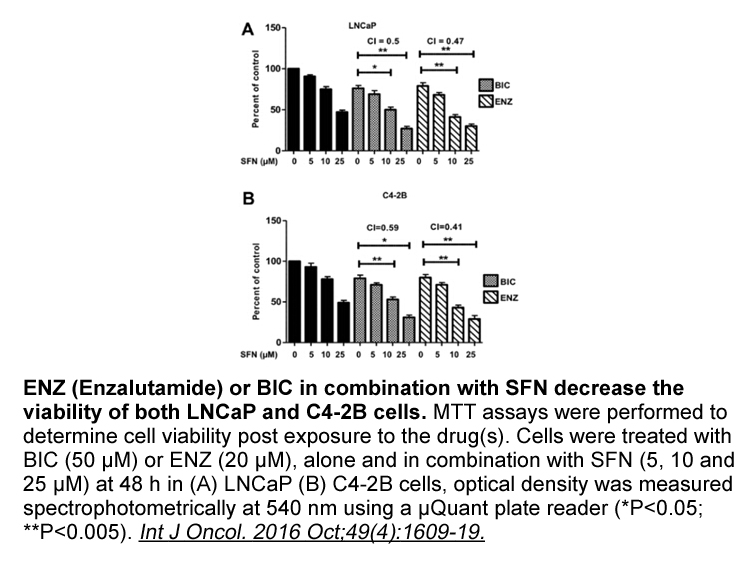
Author contributions Acknowledgements We thank Dr. Bob Hammer and the Transgenic Core Facility at UTSW for the generation of the transgenic lines, John Shelton and the Histology Core for assistance with histology and the UTSW Metabolic Core Unit for help in phenotyping. We acknowledge support
-
PAN induced nephrosis was accompanied by loss
2024-07-26
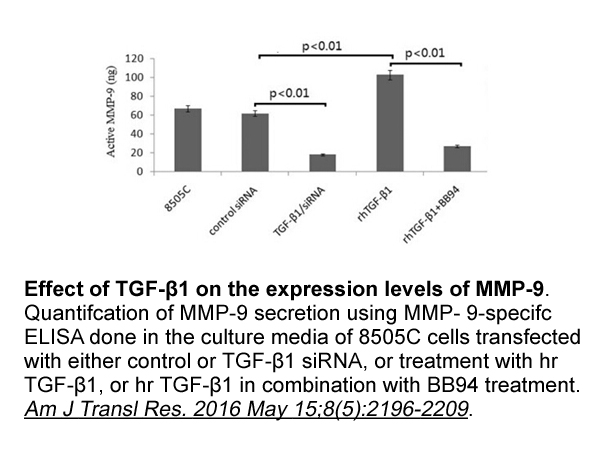
PAN-induced nephrosis was accompanied by loss of body weight, decrease of food intake, increase in urine volume and increases in triglycerides and cholesterol levels, which have been reported previously (Natori et al., 1996). Except for urine volume, each one of these measures was improved by A-3069
-
A borderline significant effect of women s age
2024-07-26
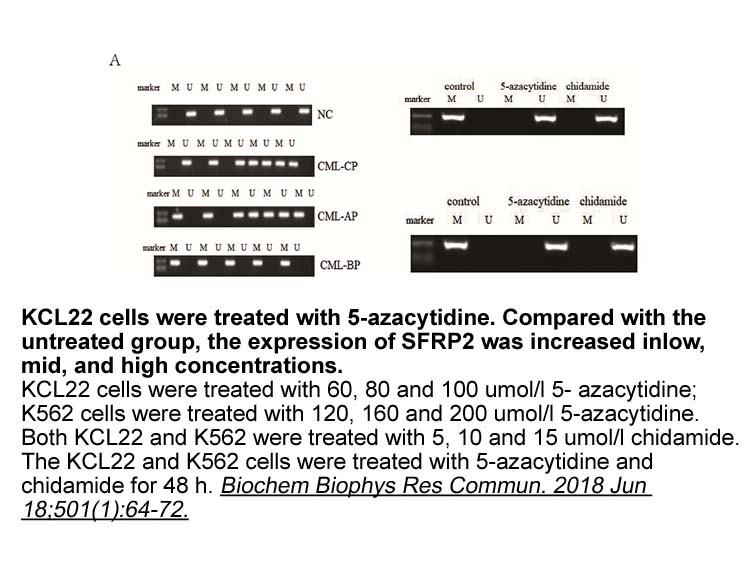
A borderline significant effect of women's age has been observed for ADA6 only. For ADA2 the proportion of the *1/*1 genotype is 69.4% in women aged ≤36 years vs. 66.9% in women aged ≥36 years (p=0.944). The proportion of ADA6*1 allele carriers is 32.6% in women aged ≤36 years vs. 49. 8 in women age
-
False positivity of Anti AChR Ab titers due
2024-07-25
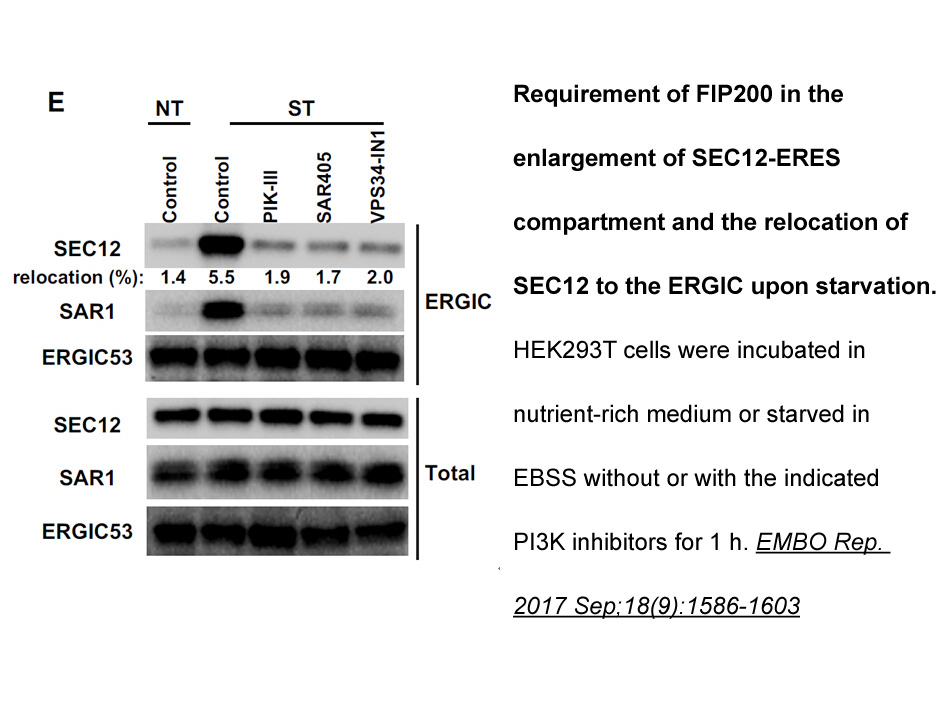
False positivity of Anti-AChR Ab titers, due to cross reactivity with bungarotoxin, has previously been demonstrated. One such study reported that patients with amyotrophic lateral sclerosis, who had received long term snake venom therapy, had developed antibodies to bungarotoxin and hence demonstra
-
br Experimental section br Results and discussion br Conclus
2024-07-25
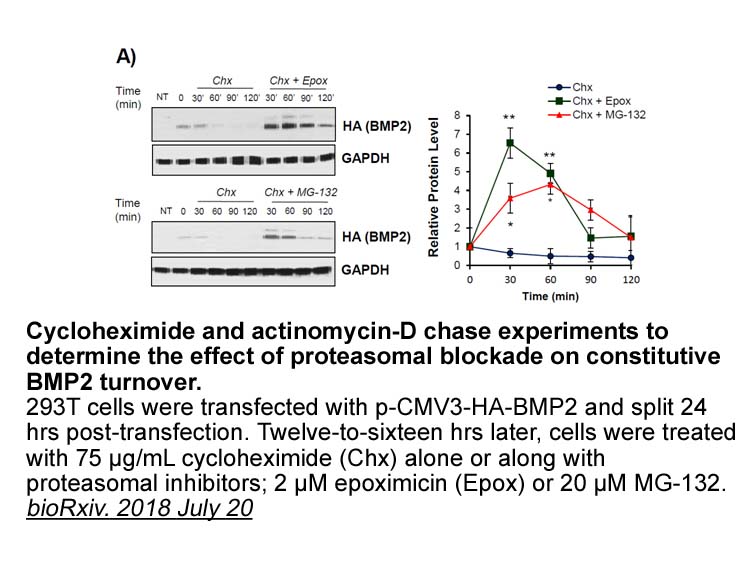
Experimental section Results and discussion Conclusion In the present study, 3a,8a-dihydroxy-8-oxo-1,3,3a,8a-tetrahydroindeno[1,2-d]imidazol-2(1H)-iminium chloride (3) has been synthesized and characterized by spectral studies and single crystal X-ray crystallography. DFT calculations have
-
The subdivision of HT receptors started
2024-07-25
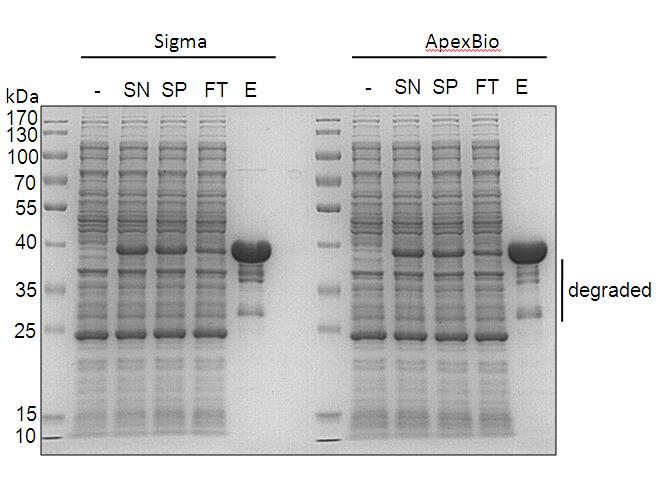
The subdivision of 5-HT receptors started in the 1950s by Gaddum and colleagues, when they realised that in the guinea pig ileum, the effects of 5-HT could be blocked in part by morphine (M), and in part by dibenzyline (D). Gaddum and Picarelli proposed two receptor classes, 5-HT M and 5-HT D (1957)
-
The analysis of the profile of protein phosphorylation in
2024-07-25
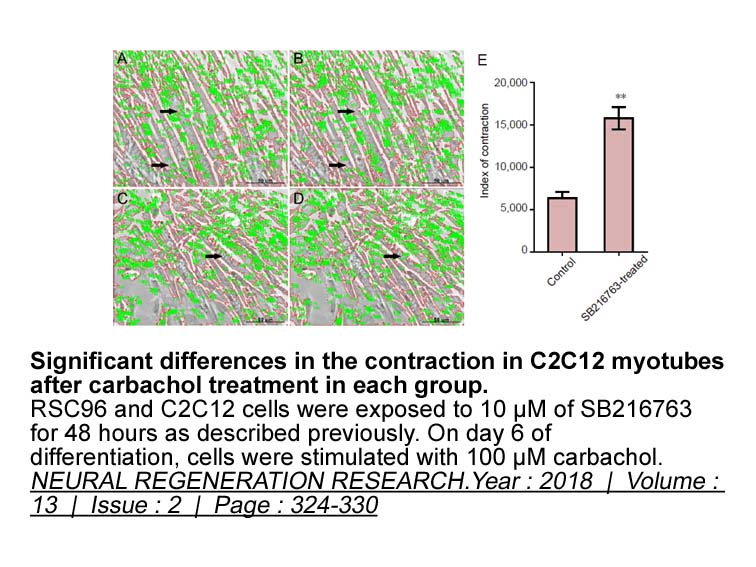
The analysis of the profile of protein phosphorylation in MMS-treated hematopoietic stem cells confirmed that both the ATM and ATR pathways were activated in S-phase blocked cells. Interestingly, phosphorylation of Chk1 was observed 24h after MMS-treatment both in AT- and ATM-inhibited cells, whilst
-
Besides Arg overexpression our data revealed
2024-07-25
Besides Arg2 overexpression, our data revealed that AGEs could decrease eNOS mRNA levels, which is considered a significant cause for attenuated NO production and vasodilation. It was found recently that AGEs significantly reduce eNOS expression levels and NO bioavailability in human carotid artery
-
Plasma apelin levels predict the major
2024-07-25
Plasma apelin levels predict the major cardiovascular event after percutaneous coronary intervention in patients with ST elevation myocardial infarction (STEMI), and adverse events are higher in patients with lower plasma apelin levels [75]. Apelin and its receptor are markedly upregulated in the he
-
br MADS box proteins in plants a flourishing family In
2024-07-25

MADS box proteins in plants, a flourishing family In contrast to animals, homeotic genes in plants do not code for homeodomain-containing proteins, but rather, in almost all cases, for MADS domain proteins. The sequencing of the genome of Arabidopsis thaliana revealed more than 100 putative MADS
7946 records 106/530 page Previous Next First page 上5页 106107108109110 下5页 Last page